
Edge computing is transforming how websites deliver content and experiences to users around the world.
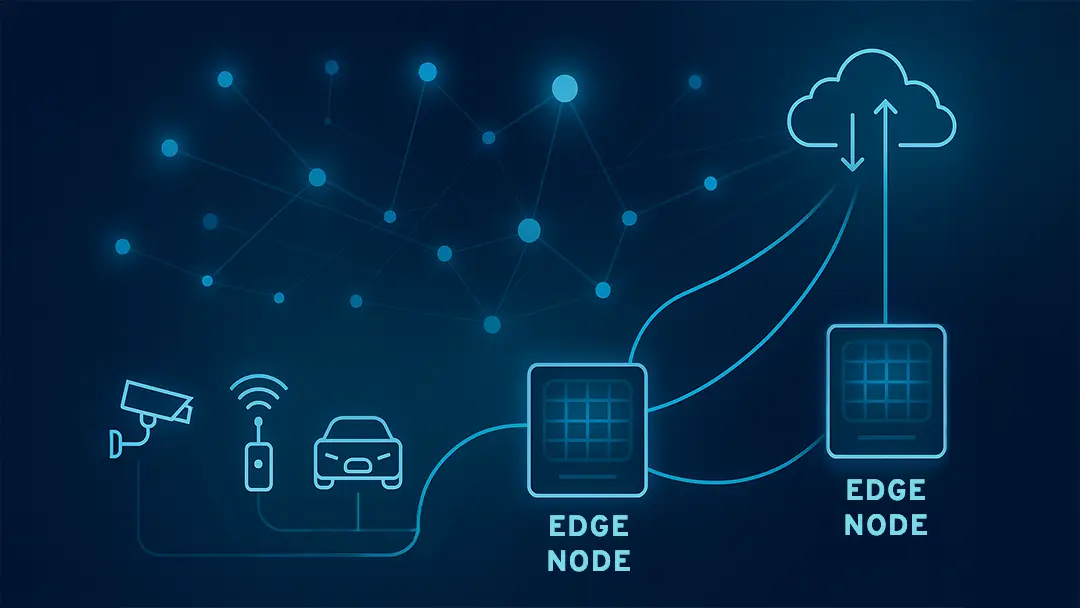
As defined by Wikipedia and industry leaders like Cloudflare, edge computing is a distributed computing model that brings computation and data storage closer to the sources of data, the end users, in order to reduce latency and bandwidth usage.
Instead of every request traveling to a single central server, edge computing processes data at “edge nodes” located much closer to the visitor. This results in significantly faster websites and better performance for global audiences.
What Is Edge Computing?
Edge computing moves part of the computing workload away from large central data centers and closer to where the user is located.
For example:
- A visitor in Port Harcourt, Nigeria doesn’t have to wait for requests to travel thousands of kilometers to a server in Europe or the United States.
- The nearest edge node handles caching, simple processing, and content delivery instantly.
This approach is now widely available through modern CDNs and hosting platforms.
How Edge Computing Works
- User Request → Routed to the nearest edge node (Point of Presence)
- Edge Node → Serves cached content or runs lightweight code (personalization, forms, API responses, etc.)
- Origin Server → Only contacted when necessary for dynamic content or database updates
- Response → Delivered back to the user at high speed
This hybrid model combines the power of central hosting with the speed of distributed edge networks.
Key Benefits
1. Dramatically Lower Latency Content loads much faster because data travels shorter distances.
2. Consistent Global Performance Users in Africa, Asia, Europe, and the Americas get similar fast experiences.
3. Higher Conversion Rates Faster websites lead to lower bounce rates and more sales or sign-ups.
4. Improved Reliability Traffic can be automatically rerouted if one node experiences issues.
5. Reduced Bandwidth & Cost Savings Less data travels to the origin server, lowering hosting and bandwidth expenses.
6. Stronger Security Many edge networks include built-in DDoS protection and security features at the edge level.
7. Better SEO Performance Google uses page speed as a ranking factor. Faster global load times improve Core Web Vitals scores.
Edge Computing vs Traditional Hosting
| Aspect | Traditional Hosting | Edge Computing | Winner |
|---|---|---|---|
| Latency | Higher | Very Low | Edge |
| Global Speed | Varies greatly | Consistent worldwide | Edge |
| Bandwidth Usage | Higher | Lower | Edge |
| Reliability | Single point of failure | Highly distributed | Edge |
| Cost for Global Reach | More expensive | More affordable | Edge |
Who Benefits Most
- E-commerce businesses targeting multiple countries
- SaaS platforms with international users
- News, media, and content websites
- Businesses in emerging markets serving global customers
- Any website where speed directly impacts user satisfaction and revenue
How to Choose Hosting That Supports Edge Computing
Look for these key features:
- Large global network of edge nodes
- Support for edge functions or serverless computing
- Easy integration with your current hosting
- Transparent pricing (no hidden CDN fees)
- Strong security at the edge level
- Performance analytics from different regions
At Leanna, our hosting infrastructure is designed to work seamlessly with edge computing, enabling businesses worldwide to achieve excellent global performance without premium pricing.
Practical Tips to Get Started
- Use a powerful CDN with strong edge capabilities
- Aggressively cache static content
- Utilize edge functions for dynamic elements
- Test website speed from multiple global locations
- Combine edge computing with good optimization practices
Common Challenges and Limitations
- Not all content can be processed at the edge (heavy database operations still need the origin server)
- Setup can be slightly more technical for beginners
- Some providers charge extra for advanced edge features
However, for most growing businesses, the benefits far outweigh these limitations.
The Bottom Line
Edge computing has become one of the most effective and accessible ways to make your website faster for users anywhere in the world. It delivers real performance improvements without requiring expensive traditional solutions.
Ready to take your website’s global performance to the next level?
Explore Leanna Solutions hosting plans optimized for edge computing.