
Introduction
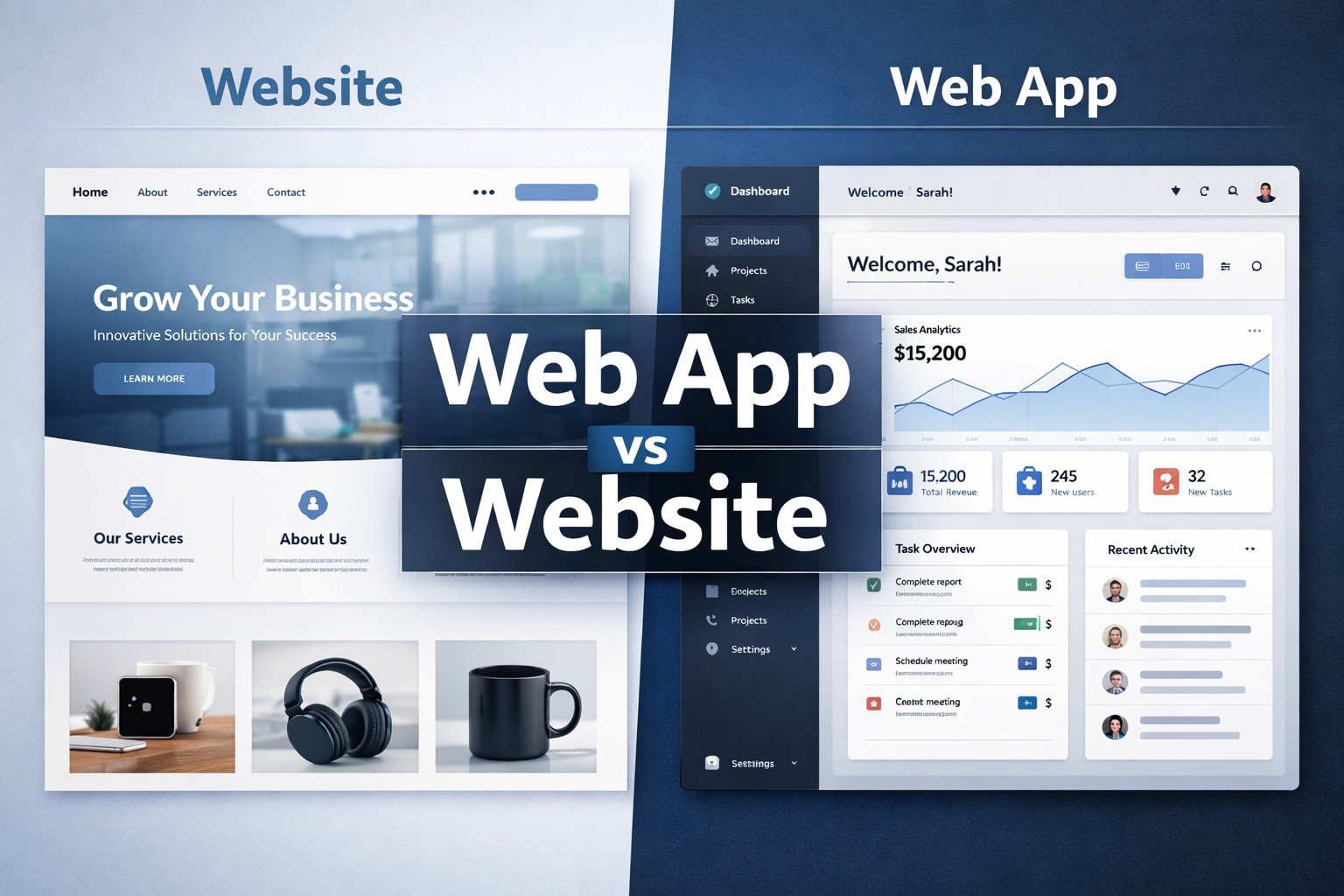
When planning a digital product or online presence, one question comes up repeatedly: Web app vs website — which one should you build?
- Introduction
- Why This Comparison Matters in 2026
- What Is a Website?
- Website Characteristics
- What Is a Web App?
- Web App Characteristics
- The Technical Architecture Behind Websites vs Web Apps
- Web App vs Website: Core Differences
- Why Smart Architecture Impacts SEO & Performance
- Cost Breakdown in 2026
- When Should You Build a Website?
- Our Strategic Development Process
- We Build Strategic Websites That Drive Growth
- When Should You Build a Web App?
- Can You Build Both?
- Security & Infrastructure Considerations
- Frequently Asked Questions
- Ready to Build the Right Digital Foundation?
Although the terms are often used interchangeably, the difference between a web app and a website affects:
-
Cost
-
Scalability
-
User experience
-
Security
-
SEO performance
-
Long-term growth
Making the wrong decision can slow down your business or increase development expenses unnecessarily.
Why This Comparison Matters in 2026
In 2026, digital infrastructure decisions directly impact scalability, security, and search visibility.
Many businesses fail not because of poor ideas but because they build the wrong digital foundation.
At Leanna, we’ve seen companies:
-
Overbuild complex web apps when a strategic website would have sufficed
-
Underbuild simple websites when they needed scalable application architecture
-
Lose performance due to improper infrastructure planning
Understanding the difference between web app vs website is not just technical, it’s strategic.
What Is a Website?



A website is a collection of publicly accessible pages designed primarily to present information.
Websites focus on:
-
Brand visibility
-
Marketing
-
Content publishing
-
Product showcasing
Examples include:
-
Corporate sites
-
Blogs
-
Landing pages
-
Online stores
For example, Amazon operates a powerful website that allows browsing and purchasing.
Website Characteristics
-
Informational-first
-
Often no required login
-
Lower development cost
-
Faster deployment
-
Easier SEO optimization
If your goal is to establish authority or attract organic traffic, a website is usually the starting point.
What Is a Web App?
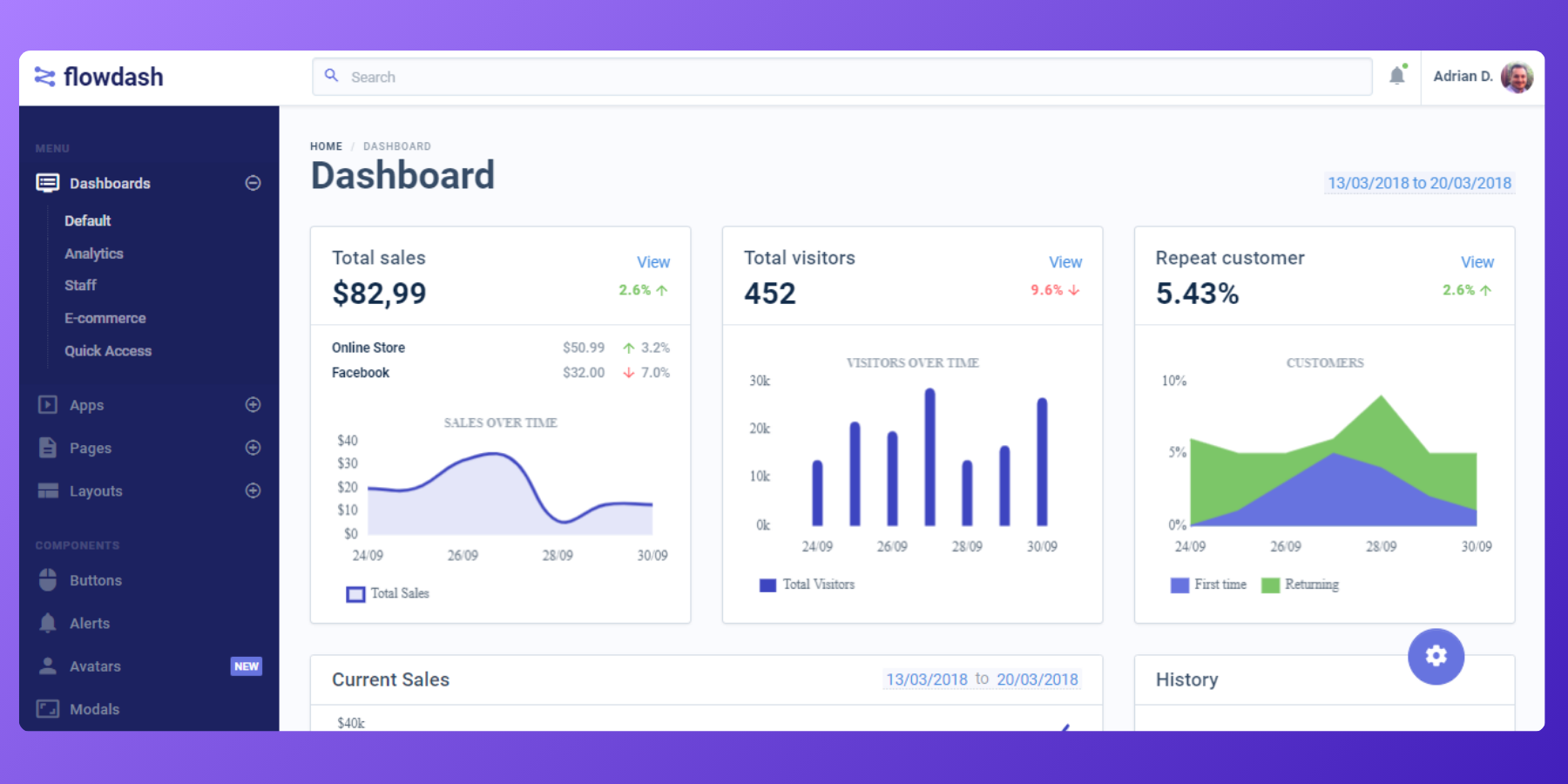
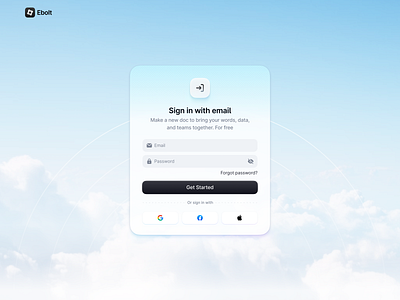
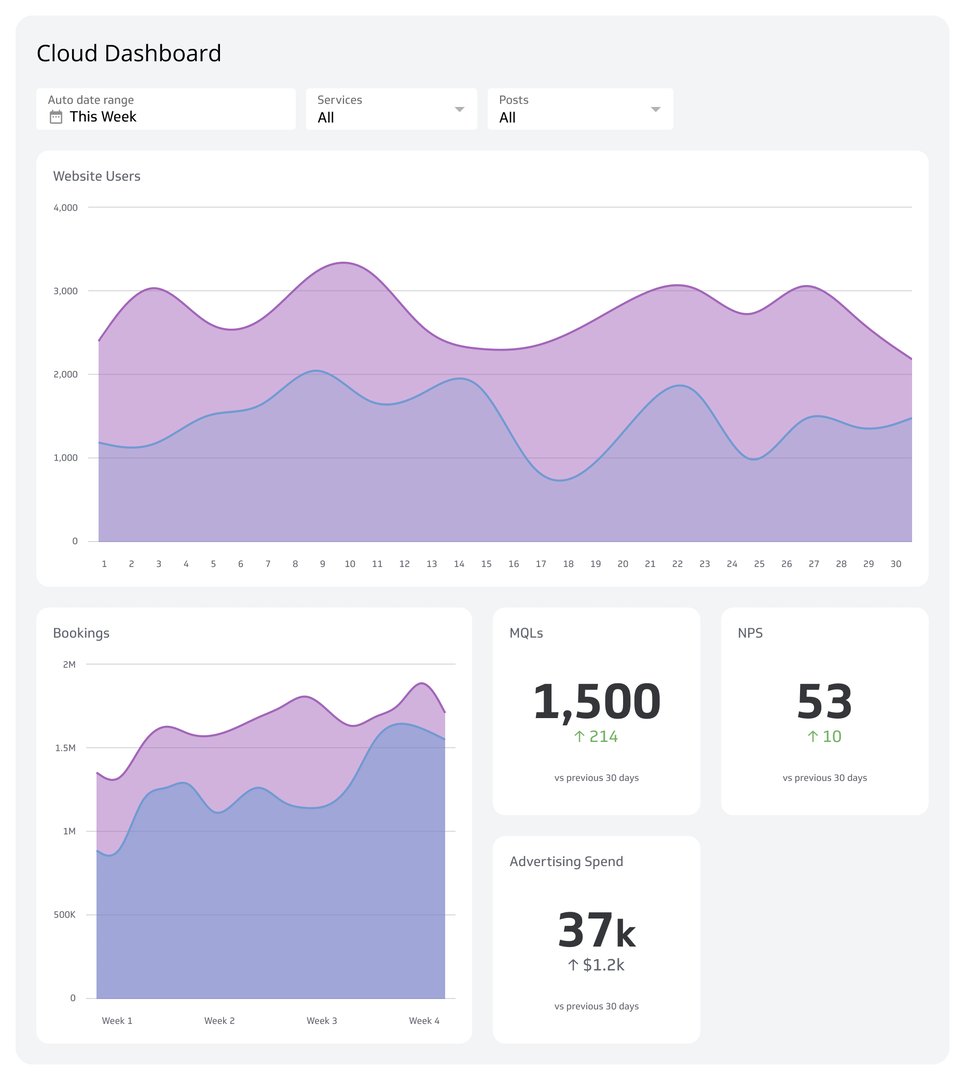
A web application (web app) is interactive software delivered through a browser.
Unlike a website, a web app:
-
Requires authentication
-
Processes user data
-
Performs dynamic tasks
-
Connects to databases
Examples include:
-
Google Docs
-
Facebook
-
Trello
These platforms are not just informational, they are operational systems.
Web App Characteristics
-
User dashboards
-
Data storage
-
Backend logic
-
API integrations
-
Higher security requirements
In simple terms:
A website informs.
A web app performs.
The Technical Architecture Behind Websites vs Web Apps
To truly understand web app vs website, you must understand architecture.
Website Architecture Typically Includes:
-
Frontend (HTML, CSS, JavaScript)
-
CMS or static framework
-
Basic hosting environment
-
CDN for performance
-
SSL for security
Web App Architecture Includes:
-
Frontend framework (React, Vue, etc.)
-
Backend server (Node.js, Python, PHP, etc.)
-
Database layer (MySQL, PostgreSQL, MongoDB)
-
Authentication system
-
API layer
-
Cloud infrastructure
-
Load balancing
-
Advanced security configurations
This difference in architecture explains:
-
Why web apps cost more
-
Why web apps require more maintenance
-
Why infrastructure planning matters
At Leanna, we design systems with scalability in mind from day one.
Web App vs Website: Core Differences
| Feature | Website | Web App |
|---|---|---|
| Purpose | Inform & market | Perform functions |
| User Login | Optional | Required |
| Backend Complexity | Low | High |
| Data Processing | Minimal | Core |
| SEO Simplicity | Easier | Requires configuration |
| Cost | Lower | Higher |
The biggest distinction in web app vs website is user interaction depth.
Why Smart Architecture Impacts SEO & Performance
Search engines prioritize:
-
Fast-loading systems
-
Secure connections
-
Mobile responsiveness
-
Stable infrastructure
Poorly built web apps often struggle with indexing.
Poorly optimized websites struggle with performance.
Infrastructure decisions influence:
-
Bounce rate
-
Conversion rate
-
Search rankings
-
User retention
This is why the web app vs website decision is foundational.
SEO Comparison: Which Ranks Better?
Websites are naturally SEO-friendly because:
-
Pages are static
-
Content is crawlable
-
Structure is clean
According to Google Search Central, proper crawlability and structured content improve indexing.
Web apps require:
-
Server-side rendering
-
Clean routing
-
SEO architecture planning
If organic search traffic is your main growth channel, launching with a content-optimized website is usually more effective.
For deeper understanding of search visibility, see: developers
Cost Breakdown in 2026
Website Development Cost
-
Design & frontend
-
Basic hosting
-
CMS setup
-
Payment integration (optional)
Lower investment and faster launch.
Web App Development Cost
-
Frontend + backend engineering
-
Database architecture
-
Authentication systems
-
Security layers
-
Ongoing maintenance
Web apps require scalable infrastructure.
For security best practices, see: owasp.org
When Should You Build a Website?
Choose a website if:
-
You need visibility
-
You’re marketing services
-
You want to rank on search engines
-
You’re launching quickly
-
You need lower upfront cost
Businesses building brand authority should start here.
Our Strategic Development Process
When helping businesses choose between a web app vs website, we follow a structured approach:
1. Business Model Analysis
We evaluate:
-
Revenue model
-
User interaction needs
-
Scalability goals
2. Technical Feasibility Mapping
We define:
-
Required infrastructure
-
Database needs
-
Security level
-
Integration complexity
3. Growth Forecasting
We build systems that support:
-
Future traffic increases
-
Expansion into new markets
-
Product scaling
This prevents expensive rebuilds later.
We Build Strategic Websites That Drive Growth
At Leanna, we design and develop high-performance websites built for:
-
Search engine visibility
-
Brand authority
-
Mobile responsiveness
-
Conversion optimization
-
Speed and security
Whether you need a corporate website, eCommerce platform, or professional service site, we build scalable digital foundations tailored to your business goals.
When Should You Build a Web App?
Choose a web app if:
-
You’re building SaaS
-
You need subscriptions
-
You require dashboards
-
You process user data
-
You need automation
Startups launching digital tools often require web apps from day one.
Can You Build Both?
Yes — and this is the smartest approach.
Many successful businesses:
-
Use a website for marketing
-
Use a web app for functionality
This hybrid structure allows:
-
Organic growth
-
Software scalability
-
Revenue generation
Security & Infrastructure Considerations
Web apps demand:
-
Encrypted authentication
-
Database protection
-
API security
-
Cloud scaling
Websites require security too (SSL, firewalls), but infrastructure complexity is lower.
Frequently Asked Questions
Is a web app more expensive than a website?
Yes. Web apps require backend systems, authentication layers, and databases.
Which is better for SEO?
Websites are generally easier to optimize for search engines.
Can a website evolve into a web app?
Yes. Many startups start with a website and later add application functionality.
Do startups need both?
Not always. Many validate with a website first.
Ready to Build the Right Digital Foundation?
Choosing between a web app vs website is not about trends.
It’s about strategy.
At Leanna, we design, develop, and deploy digital platforms that align with your business goals and scale as you grow.
Whether you need:
-
A high-converting website
-
A scalable SaaS web application
-
Secure hosting infrastructure
-
Long-term technical support
We build systems engineered for performance and sustainability.
Start your digital project today:
https://leanna.ng